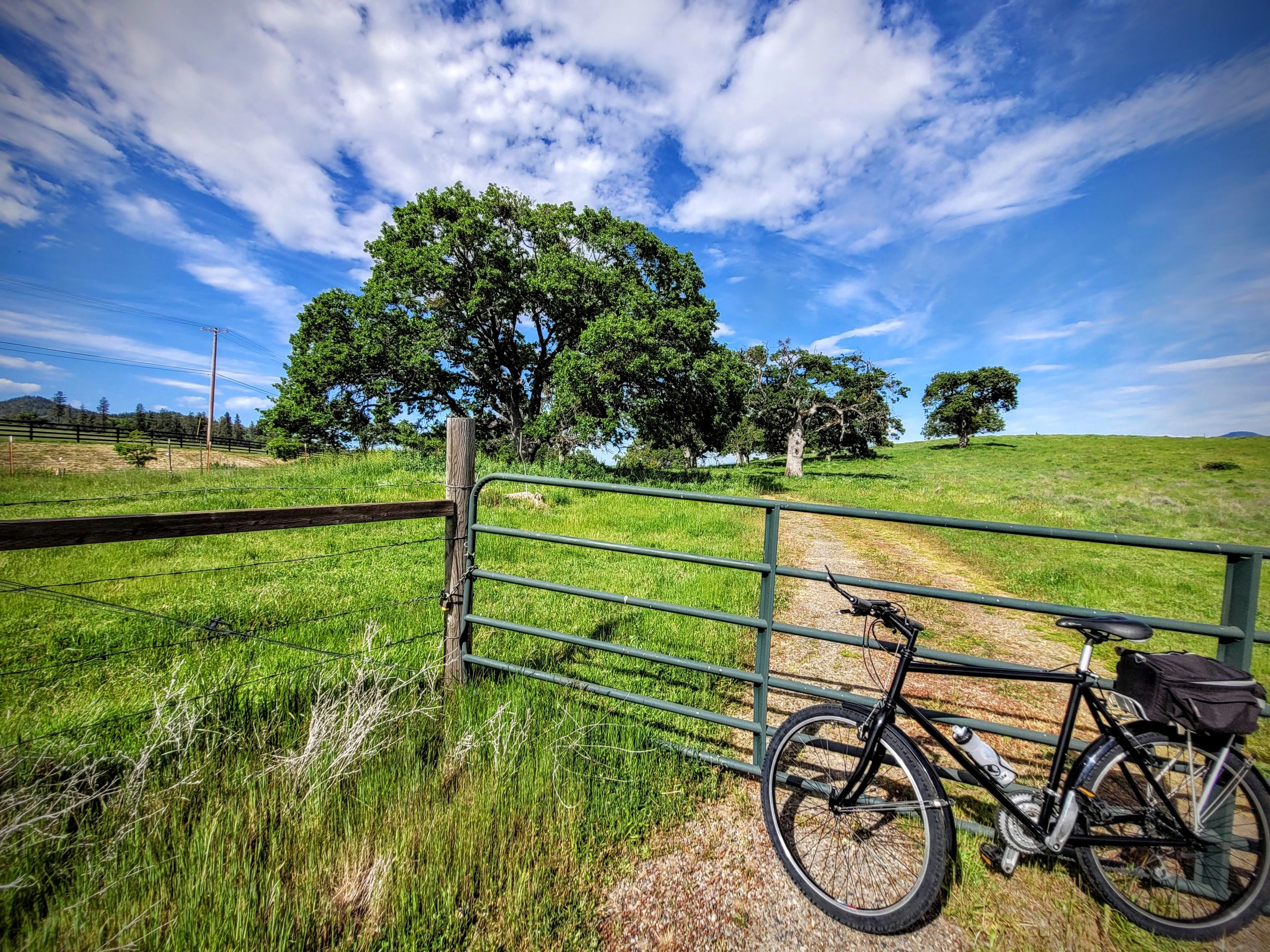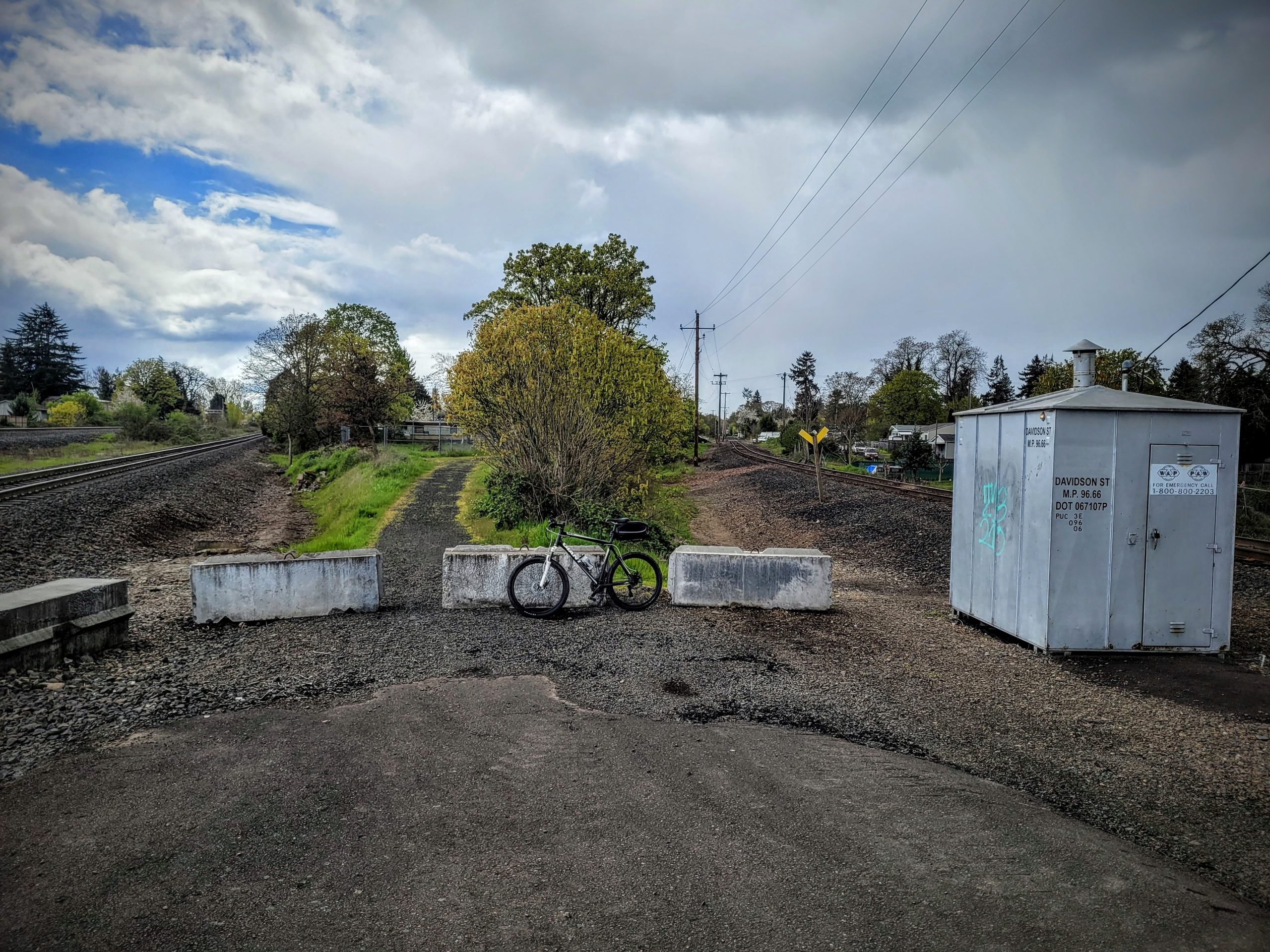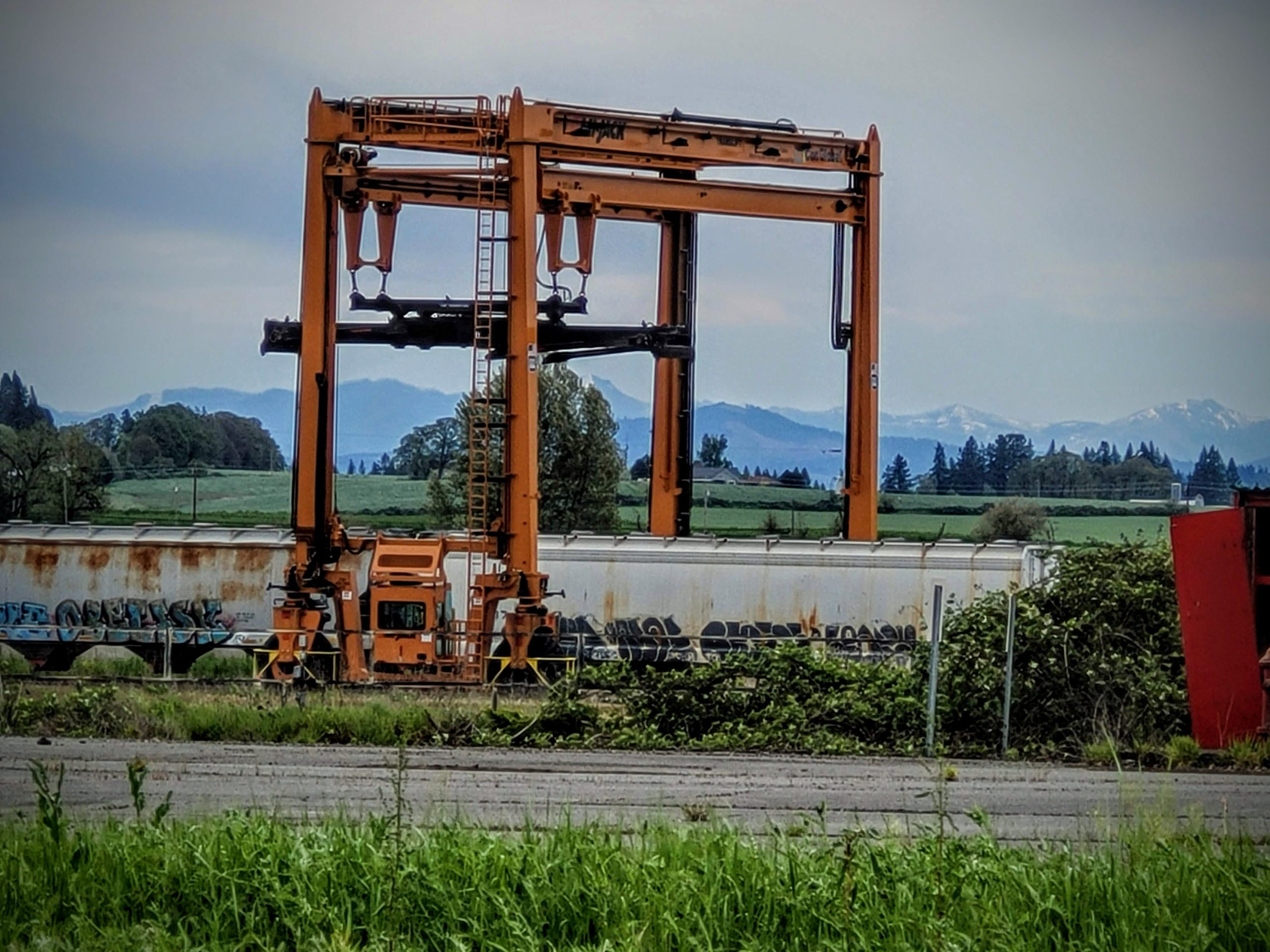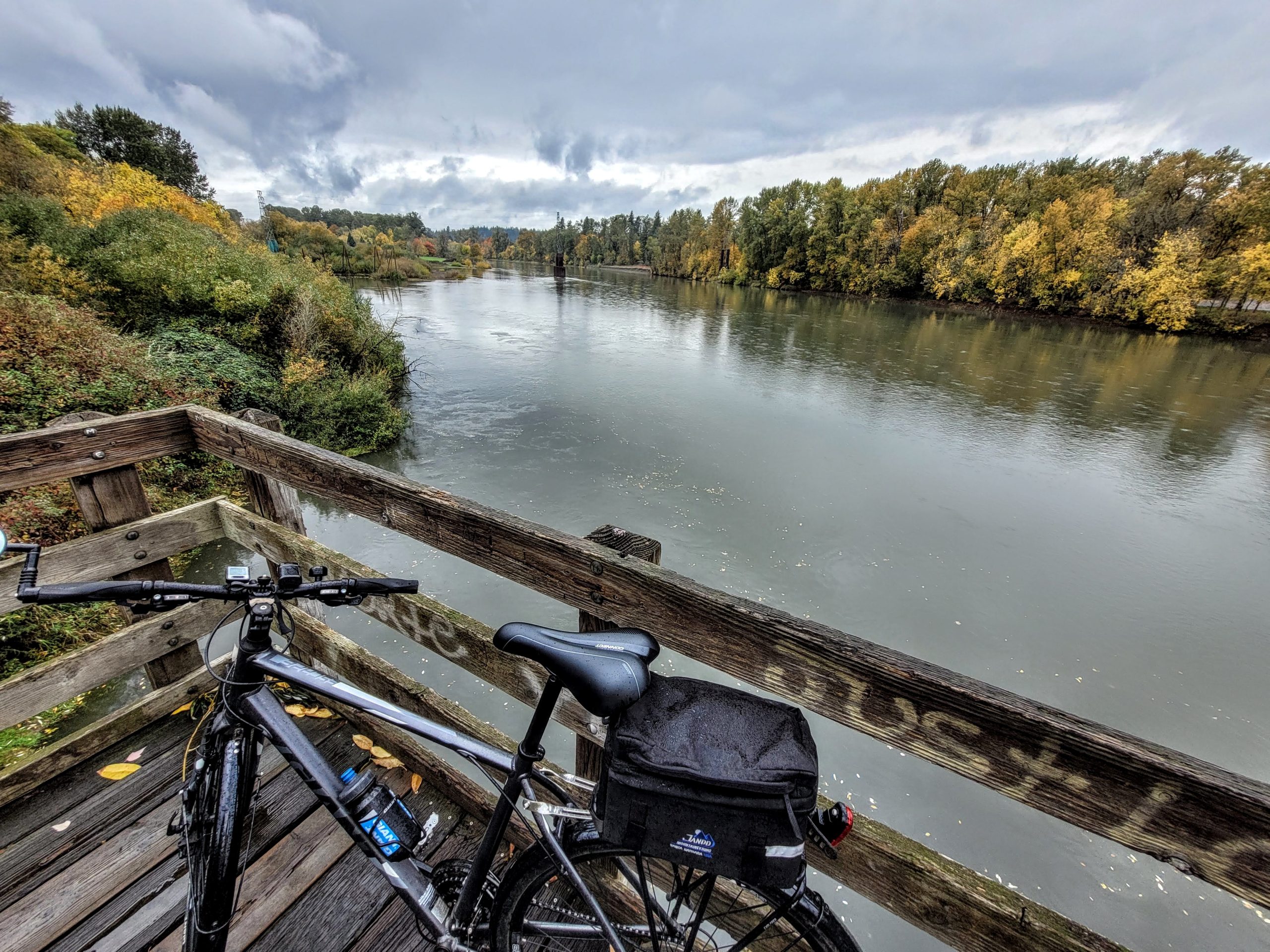
When riding your bicycle around Oregon in the summer, it's hard not to stop every time you come to a stream -- like, for example, the Applegate River in this little video. I was heading out Highway 238 west of Jacksonville when I came to a sign advertising Cantrall Buckley Park. I took the side road and came to this bridge across the Applegate. Someone asked me if I thought riding on 238 was safe. It has plenty of curves, fast traffic and no paved shoulders part of the way. Well, nothing is 100 percent safe, but as long as you ride in a straight line and keep as far to the right as is practical, it seems to be safe enough.
School debate: Money and more money
The Oregon Senate on Monday failed to approve a record increase in the state school fund. The opponents, all 14 Republicans plus Democrat Chris Edwards of Eugene, said it wasn't enough and the state could do better.
The bill, Senate Bill 5519, proposed to set the school fund at $6.55 billion for the next two years, an increase of a billion dollars. But the Republicans complained that one-third of the increase would go not to teachers or classrooms at all but be swallowed up by the public employee retirement system.
The Republicans want reforms in the retirement system that would further reduce its costs to all public employers including schools. Democrats counter that some PERS reforms already have been enacted and more drastic ones would likely be struck down by the courts. Or they wouldn't save as much as the Republicans claim.
The Senate discussion Monday was about money. More fundamental issues don't get mentioned in that context. For example, are big public school systems still the best way to prepare young people for life? Would smaller units, organized differently, yield better results for more people at a smaller overall cost?
Until we find satisfactory answers to fundamental questions like that, there will never be enough money and Oregon politicians will keep having to argue about school funds every two years. (hh)
A dead end? It sure is…
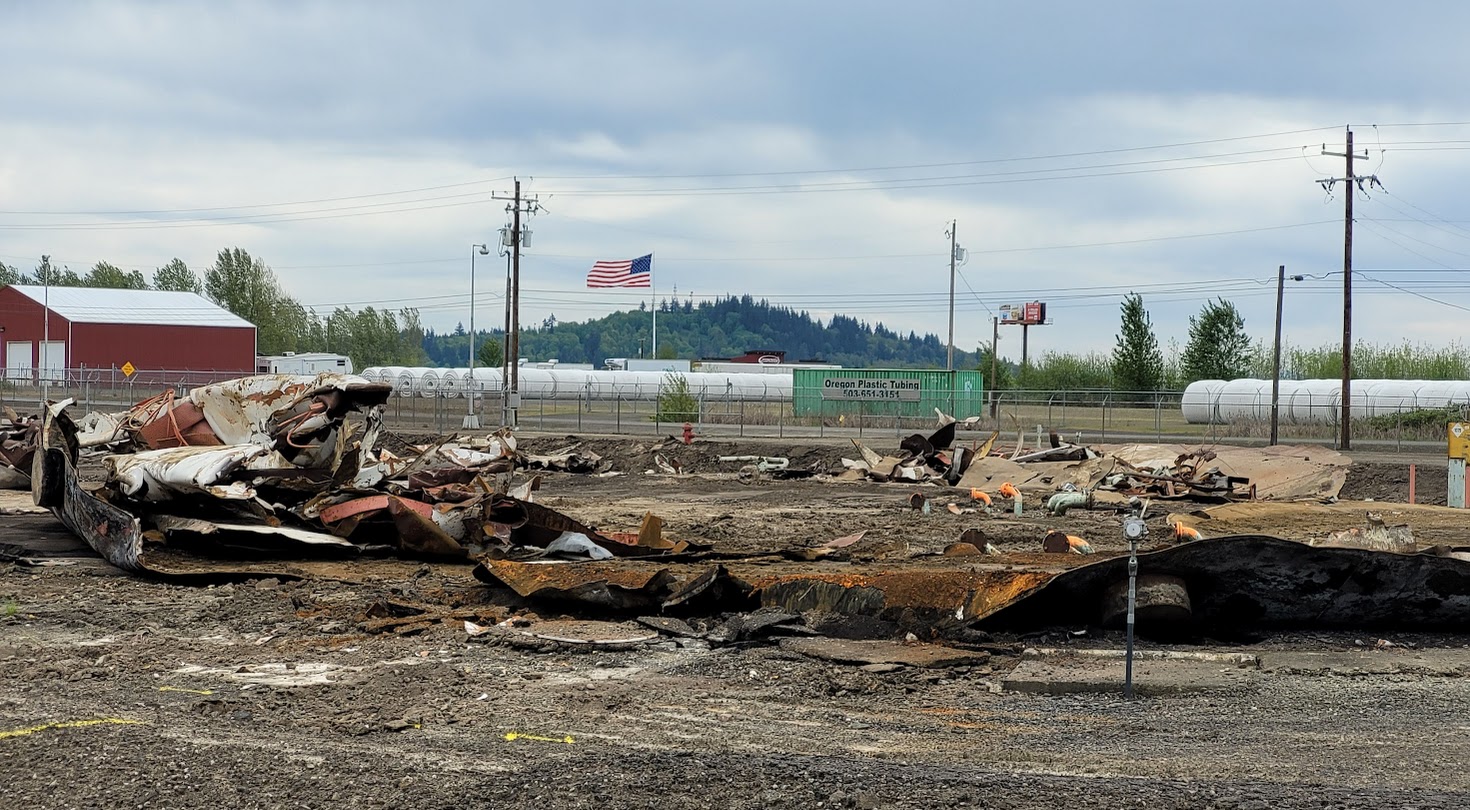
Ever wonder what happens to a store property near a freeway off-ramp after the off-ramp is closed? A few days ago my bicycle took me to the end of Hoefer Road, which I'm mispronouncing in this video. I'm told the locals say "Hayfer," though I can't see how this is justified by the spelling. In any case, the road sign says it's a "dead end." But it wasn't always such. Once it was connected to Interstate 5, and a little business was operating there for people who happened to see the sign and got off the highway. Now take a look at what is left of the place.
The end of old empty houses?
The other day I wrote about an old house in the country, a farm house between Jefferson and Scio that was still standing but had not been lived in for many years. On Saturday I came across another one, also abandoned to the wind, sun and rain.
This one was on Hoefer Road north of Millersburg. I was on my bike, as usual. That's a pretty good way of exploring the countryside, even if -- and especially if -- you've lived in an area for a long time.
And this time I remembered something about old houses in farm country. Under Oregon's land use laws, normally you can't build a new house in the exclusive farm zone. But you can replace existing houses under certain fairly stiff conditions. Now the legislature has passed a bill, HB 2746, that's supposed to make it a little easier to do this.
Several farmers told legislators they owned uninhabitable old houses, in one case more than a century old. They said they could not replace them under the existing law. But they expected the bill would allow them to do so.
I read the committee staff's description of the bill, and I don't see how it's all that helpful. But if it is, maybe it will cause a number of owners to obtain permits to tear down abandoned farm houses and replace them with modern dwellings. If it helps them in their operations, fine, of course. But I'd miss discovering some of those old ruins on my rides. (hh)


Our smallest towns: Any future?
Categories: Commentary
Tags: Albany & Eastern, Crabtree, small towns
Comments Off
Downtown Crabtree: Its history is linked to the railroad.
Get your announcements here.
A week or two ago, I stopped and got off my bike in Crabtree. Since then I've been wondering if there's a way towns like this can ever be revived.
According to the last census, the unincorporated community had 391 people with a median age of about 45, seven years older than Oregon as a whole. In the past few months the town has been in the news for two developments, the closure of the Crabtree Tavern and the controversy that ensued after the Albany & Eastern Railroad opened a log-loading yard last year. The railroad operation upset some residents, but actually it harkens back to the early history of the community, when the Southern Pacific came through the town.
All across the United States, small towns founded in rural areas more than a hundred years ago are drying up. It's the result of many trends, mainly the decline of the family farm, the change in the kind of work available to people, and the migration of commerce, first to retail chains and now to the Internet. In Crabtree, one place that's still open and functioning is the post office. But its parent organization is in financial trouble, so who knows how long the local branch will remain.
On a sunny Saturday afternoon, the place seems like a pretty nice and quiet place to live. If only there was some way for a business or two to open and survive. (hh)